Parallel Bioreactor System
Parallel Bioreactor System
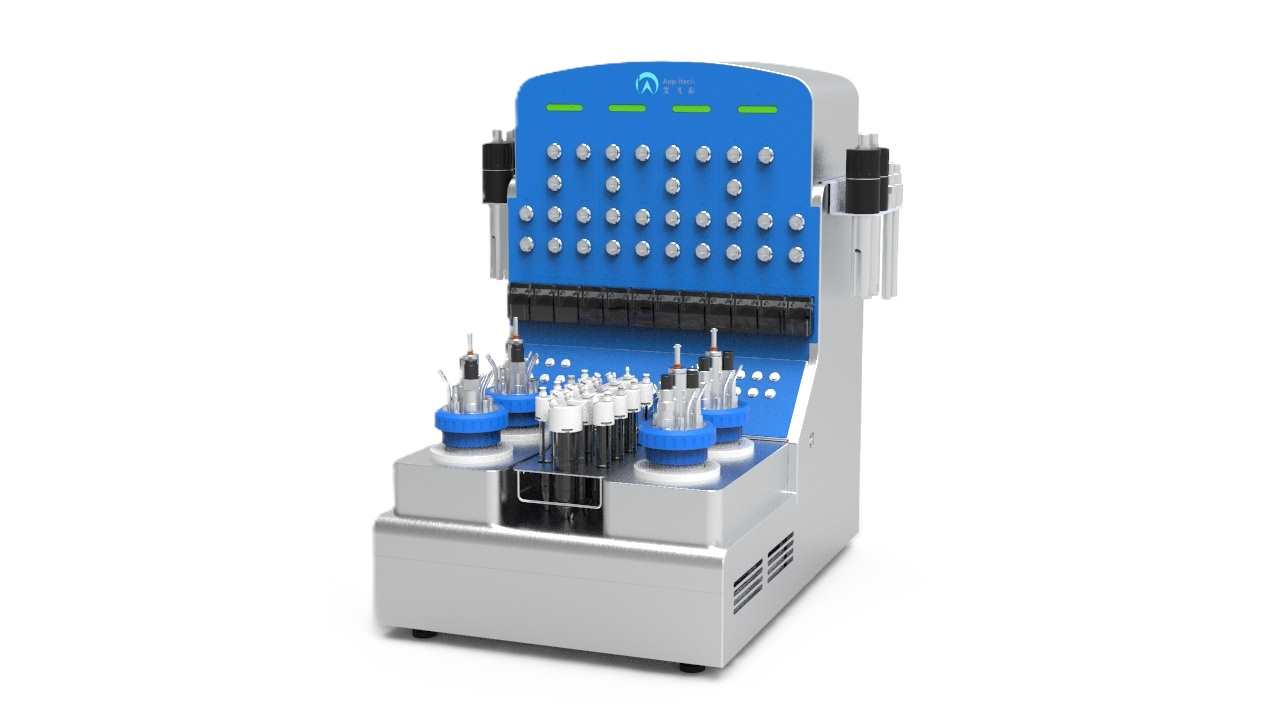
AbioBundle Multimini Series Parallel Bioreactor System
• Each vessel can operate independently or simultaneously. Up to 32
parallel bioreactors can be networked for parallel operation,
significantly shortening process development time.
• To ensure process stability, Applitech has developed proprietary control algorithms for cell culture and a unique Gradation Control strategy for microbial fermentation, enabling precise process parameter control.
• Applitech stirred bioreactors maintain geometric similarity across scales, allowing process parameters and operational experience to be progressively scaled up to bench-scale, pilot-scale, and production-scale stirred bioreactors.
• To ensure process stability, Applitech has developed proprietary control algorithms for cell culture and a unique Gradation Control strategy for microbial fermentation, enabling precise process parameter control.
• Applitech stirred bioreactors maintain geometric similarity across scales, allowing process parameters and operational experience to be progressively scaled up to bench-scale, pilot-scale, and production-scale stirred bioreactors.
The AbioBundle Multimini series parallel bioreactor sytem features a minimum working volume of 50 mL. Maintaining the geometric similarity of Applitech bioreactors, it enables true scale-down and scale-up cultivation from laboratory-scale bioreactors.
Highly Integrated Parallelization, Precise Control, and Scalability
The AbioBundle Multimini series parallel bioreactor adopts an embedded controller plus industrial PC architecture, featuring an advanced bioprocess control and automation system with a modular design. During DOE studies, process parameters can be controlled independently and in parallel. Applitech has developed proprietary control algorithms specifically for both cell culture and microbial cultivation, enabling precise and stable control of critical process parameters. The system is widely applicable to various cell culture, microbial cultivation, and bioprocess development applications. Process parameters can be seamlessly scaled up to bench-scale, pilot-scale, and production-scale stirred bioreactors.
• Each vessel can operate independently or simultaneously. Up to 32 parallel bioreactors can be networked for parallel operation, significantly shortening process development time.
• To ensure process stability, Applitech has developed proprietary control algorithms for cell culture and a unique Gradation Control strategy for microbial fermentation, enabling precise process parameter control.
• Applitech stirred bioreactors maintain geometric similarity across scales, allowing process parameters and operational experience to be progressively scaled up to bench-scale, pilot-scale, and production-scale stirred bioreactors.
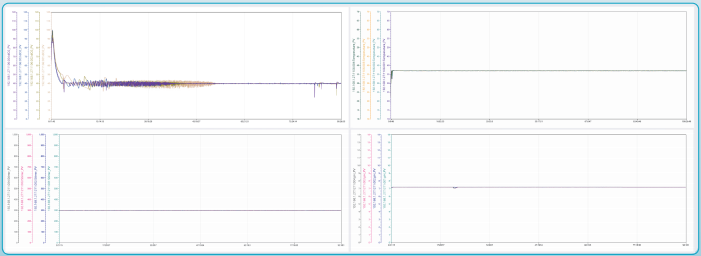
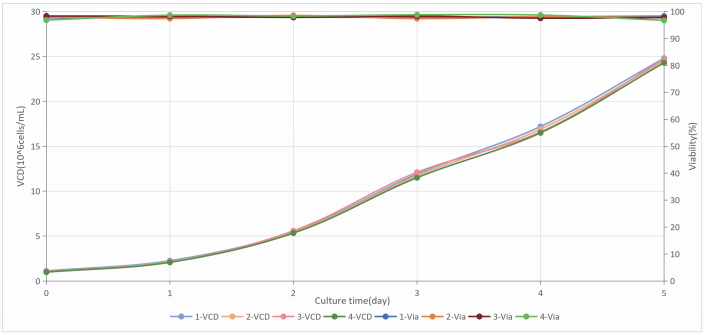
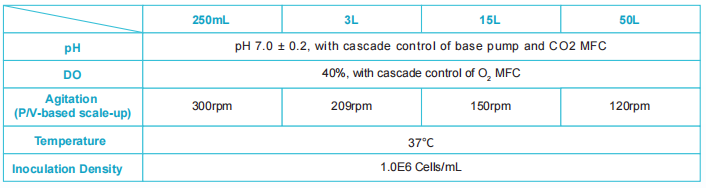
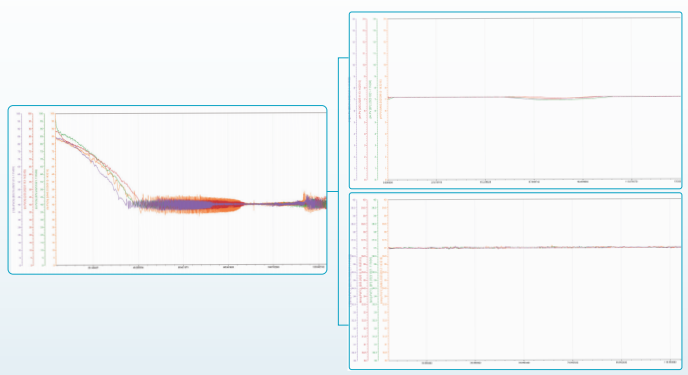
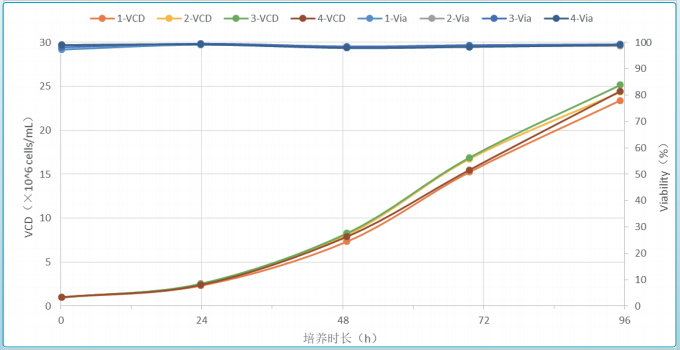
Application Case: CHO-K1 Cell Culture

Modular Design for Flexible Process Solutions
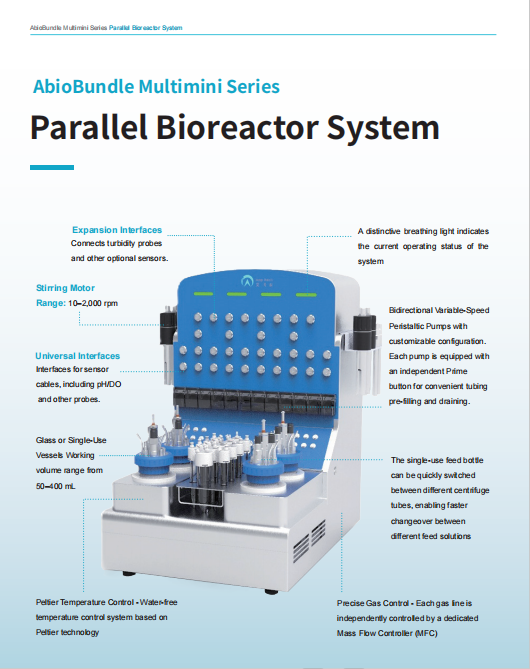
• Maintenance-free motor with a controllable speed range of 10–2000 rpm. The stirring direction can be customized according to vortex direction without changing the impeller orientation.
• pH/DO compatible with both conventional and intelligent sensors. Proprietary Applitech algorithms enable precise DO control.
• Peltier-based temperature control with a water-free thermal management system, reducing laboratory water consumption and eliminating cooling water residue.
• Unique feeding design featuring reversible variable-speed peristaltic pumps and disposable feed bottles that can be quickly switched with centrifuge tubes, enabling faster feed media replacement.
• Precise gas control with each gas line independently controlled by a Mass Flow Controller (MFC). Gas type and flow range can be customized according to process requirements.
Parallel Bioreactor Configurations for Different Applications
• Glass or single-use vessels available, with working volumes from 50–400 mL.
• Customizable top plate port configuration.
• Compatible with both headspace aeration and sparged aeration, with options for macro-bubble or micro-bubble sparging.
• Multiple impeller options available, including Marine, Rushton, and pitched-blade impellers.Supervisory Software — Flexible Process Information System
• Easy operation and control via external display or LAN-based WebUI browser access, with remote access capability without requiring an external internet connection.
• Highly flexible operation allowing independent or parallel parameter adjustment according to process requirements, including simultaneous calibration of pHDO sensors and peristaltic pumps.
• Equipped with time-/condition-based recipes for preset experimental protocols, with full operation and alarm logging. Optional SMS or phone-call alarm notifications are available.
Parallel Process Development and Process Optimization
Parallel Operation Shortens R&D Cycles and Accelerates Time-to-Market
The combination of embedded controllers, industrial PC architecture, and the independently developed Applisoftec data management software makes the Applitech parallel bioreactor system an ideal solution for parallel process control. The standard 4-vessel system can be expanded to up to 32 vessels, enabling the establishment of a high-throughput screening network. Applisoftec data management software not only supports the full range of Applitech bioreactors, butalso integrates with third-party analytical instruments, enabling advanced process control, data integration, and information management.
Highly Integrated Modular Design Saves Laboratory Space
To maximize laboratory space utilization, the AbioBundle MultiMini series parallel bioreactor features a compact footprint of only 420 × 560 × 650 mm. When expanded to a 32-vessel configuration, the system requires only 3.5 meters of benchtop space, significantly alleviating laboratory space constraints.
Mini Working Volume Reduces Development Costs
With a minimum working volume as low as 50 mL, the system significantly reduces early-stage development costs, including media, feed, silicone tubing, and other consumables, while also minimizing seed preparation time and vessel preparation workload. This advantage is especially valuable for high-cost applications such as stem cell cultures (MSC and iPSC) and immune cell cultures (NK and T cells), where resource consumption during process development can be greatly reduced while enabling management of a larger number of experiments simultaneously.
Application Fields: Beyond Microbial and Cell Culture
With its flexible and diverse configuration options, Applitech bioreactors are no longer limited to traditional microbial and cell culture applications, but extend to a wide range of bioprocessing and biochemical applications, including but not limited to the following:
Microbial Cultivation
1. Recombinant protein expression using common hosts such as E. coli and yeast.
2. Cultivation of lactic acid bacteria, including Lactobacillus, Bifidobacterium, and Pediococcus species.
3. Applications such as plasmid amplification, biofuel production, and the development of novel biomaterials.
Cell Culture
1. Production of antibodies and vaccines using commonly used mammalian cells such as CHO, HEK293, Vero, and MRC-5 cells.
2. Insect cell lines such as H5, SF9/SF21, as well as plant cell culture systems.
3. Cell and gene therapy (CGT) applications involving MSCs, iPSCs, NK cells, and T cells.
Other Applications
1. Chemical reactions requiring precise control of temperature, agitation, and pH/conductivity, such as ADC (Antibody-Drug Conjugate) processes.
2. Enzymatic reactions requiring controlled temperature, pH, and conductivity, such as in vitro RNA transcription.
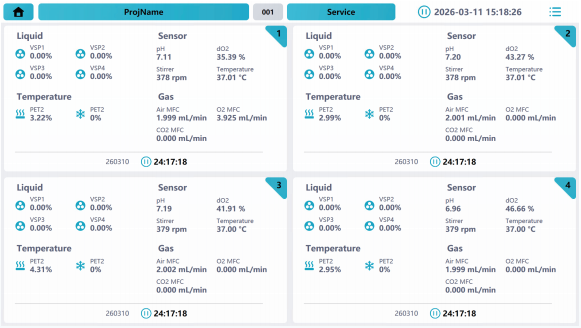
Main interface on external display
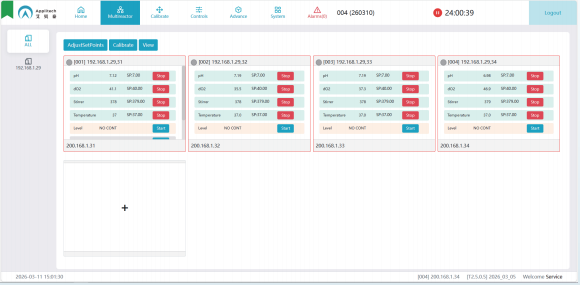
WebUI main interface
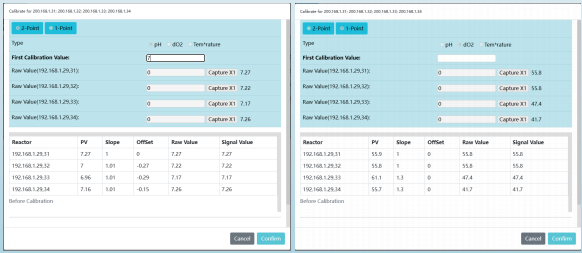
pH/DO calibration interface
Latest posts
Contact With Us