Company news
Company news
Avoiding Batch Loss: Applications of Automated Tube Welding and Sealing Systems in CGT Manufacturing
Cell and gene therapy (CGT), at the forefront of biopharmaceutical innovation, differs fundamentally from conventional antibody manufacturing, which typically involves large-volume processing, continuous flow, filtration, and a strong focus on efficiency and cost control. Characterized by small batch sizes, patient-specific production, and the handling of living cells and viral vectors, CGT manufacturing requires highly precise operations. As these products generally cannot undergo terminal sterilization, the entire process relies on aseptic, closed processing, placing exceptionally high demands on sterility assurance during tubing connections and disconnections.
At the core of CGT fluid management is the ability to maintain a fully closed and traceable process at every connection point. Preventing cross-contamination and biosafety-related leakage has therefore become a fundamental requirement for closed-loop manufacturing processes involving autologous CAR-T therapies, stem cell products, viral vectors, and other CGT applications.
The reliability and flexibility of fluid management directly impact the safety, consistency, and accessibility of CGT products. However, fluid management in CGT manufacturing faces three key challenges:
1. Absolute Sterility Assurance
Cell-based products cannot be sterilized through filtration or terminal sterilization. Any microbial contamination can result in the loss of an entire batch and may even pose serious risks to patient safety.
2. High-Frequency Exposure Points
CGT manufacturing involves numerous operations, including media or feed addition, sampling, inoculation, and product transfer. Every connection and disconnection point represents a potential route for contamination.
3. Small-Batch Production and Rapid Changeovers
A single production line often needs to switch rapidly between different patient-specific manufacturing projects. Traditional fixed systems can struggle to meet the high flexibility and fast changeover requirements of CGT manufacturing.
For CGT applications, the approach to aseptic fluid management is shifting from “absolute control of the overall environment” to “absolute closure of the fluid transfer pathway.” The performance of single-use systems therefore depends heavily on the reliability and flexibility of their integrated components.
To address the frequent and intensive operations involved in CGT manufacturing, the combination of thermoplastic tubing with fully automated aseptic tube welders and sealers offers a more balanced solution. Multiple connection points can be incorporated into the tubing assembly without significantly increasing system complexity, enabling intermediate media or feed additions, repeated sampling, and segmented storage. This approach preserves the flexibility of single-use systems while overcoming the limitations of pre-sterilized assemblies with limited redundancy and connection options.
For frequent tubing disconnections and closed-system aliquoting requirements throughout the process, Applitech has developed an in-house, fully automated fluid management solution specifically designed for TPE thermoplastic tubing. The solution includes an automated aseptic tube welder and an automated tube sealer, offering convenient operation, flexible process control, and the following key features:
- Broad Tubing Compatibility: Supports tubing with outer diameters ranging from 1/4" to 1", covering applications from small-scale laboratory development to production-scale bioprocess bags and tubing assemblies.
- Reduced Environmental Requirements: Tubing sealing and disconnection can be performed in Grade C/D cleanroom environments or CNC backgrounds, without relying on a biosafety cabinet or isolator.
- Fast Processing Time: Standard tubing operations can be completed in less than 250 seconds, enabling fast and efficient workflows, reducing hands-on time and minimizing the potential impact of prolonged cell residence within the tubing.
- Visual Process Monitoring: A transparent top cover allows operators to monitor the operating status in real time, helping to minimize the risk of leakage.
- Compliant with FDA 21 CFR Part 11: Features include role-based access control, audit trails, and automatic data storage and export, enabling end-to-end traceability for every aseptic tube welding and sealing operation and supporting regulatory inspection and compliance requirements.
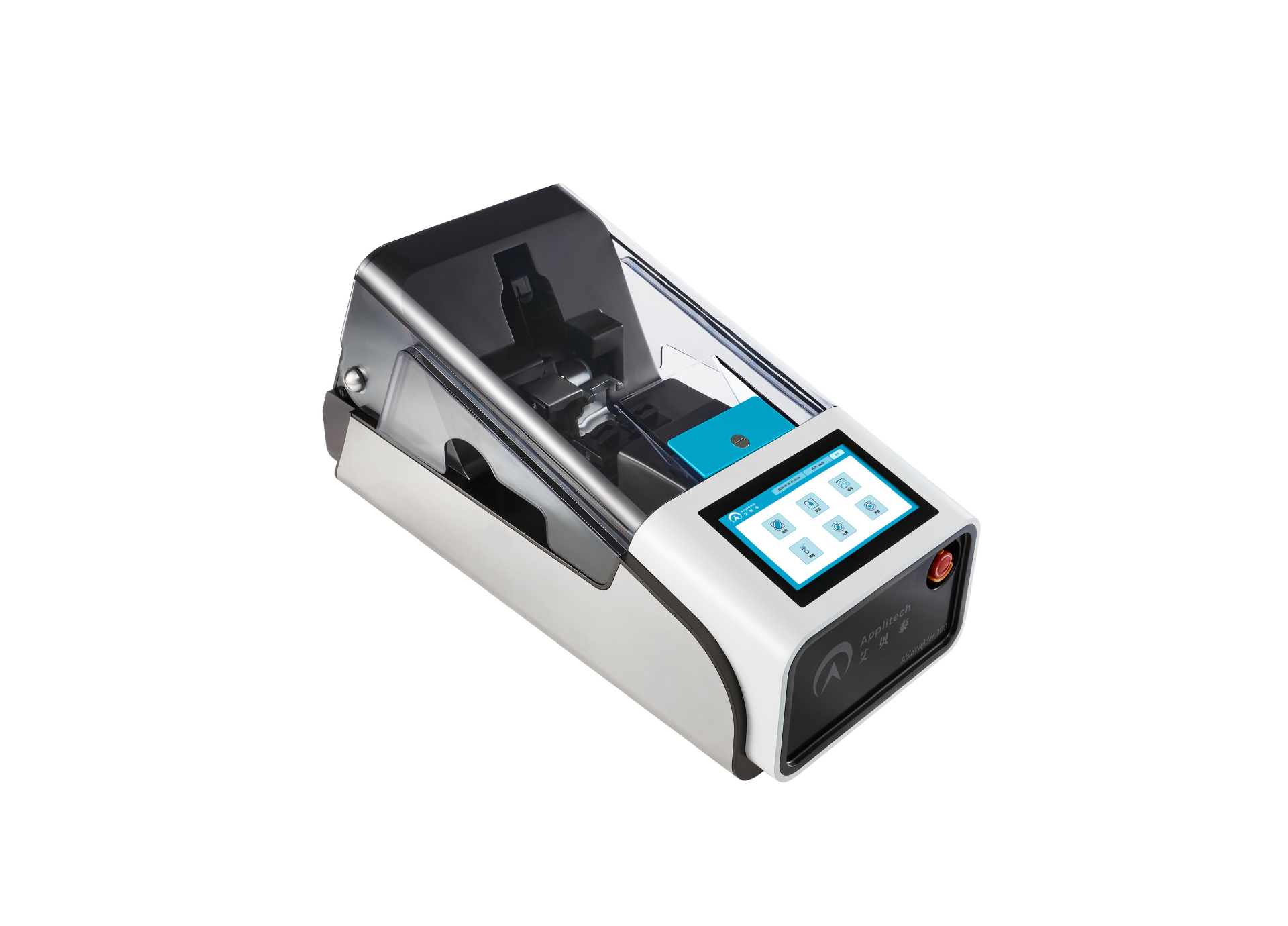
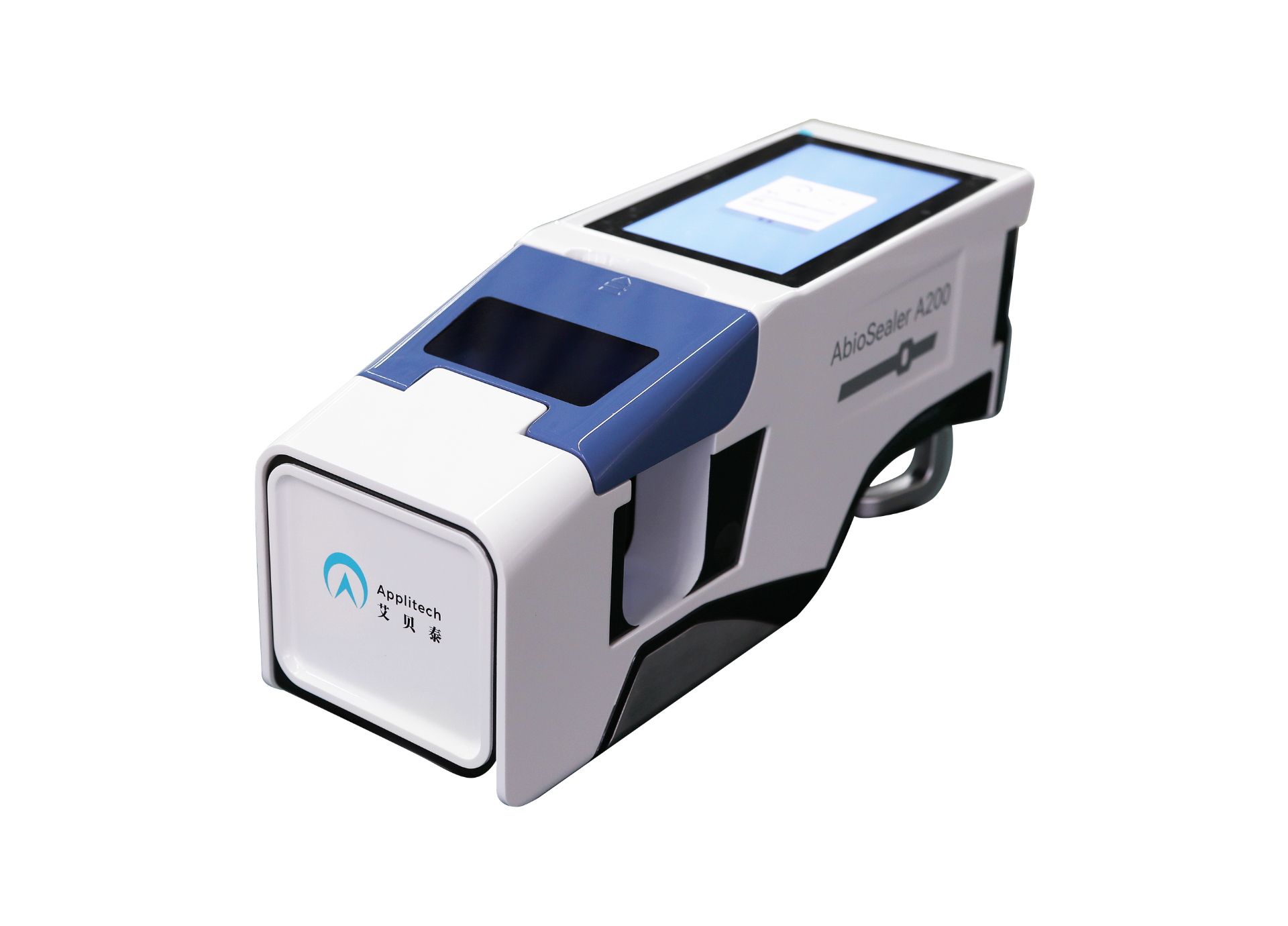
Looking back at the evolution of the CGT industry, early manufacturing processes relied heavily on Grade B cleanrooms with Grade A processing environments, typically involving biosafety cabinets and stringent aseptic conditions. Operators required extensive gowning and training, while every open manipulation introduced a potential risk of contamination.
With the maturation of single-use aseptic connection and disconnection technologies and thermoplastic tubing systems, the industry is moving toward a more practical and efficient approach: performing closed, automated operations in Grade C or D background environments. By minimizing manual intervention and maintaining a closed process pathway, manufacturers can significantly reduce the risk of contamination while achieving a high level of sterility assurance, helping to avoid the substantial losses associated with CGT batch failures.
This transition not only has the potential to significantly reduce the operating costs of cleanroom facilities, but also enables multi-product, shared manufacturing lines, making flexible production more feasible. Ultimately, it helps remove key barriers to the commercialization of CGT products and the broader adoption of personalized therapies.